
Enjoy Free & Fast Delivery All Pakistan 45 Days Free Returns
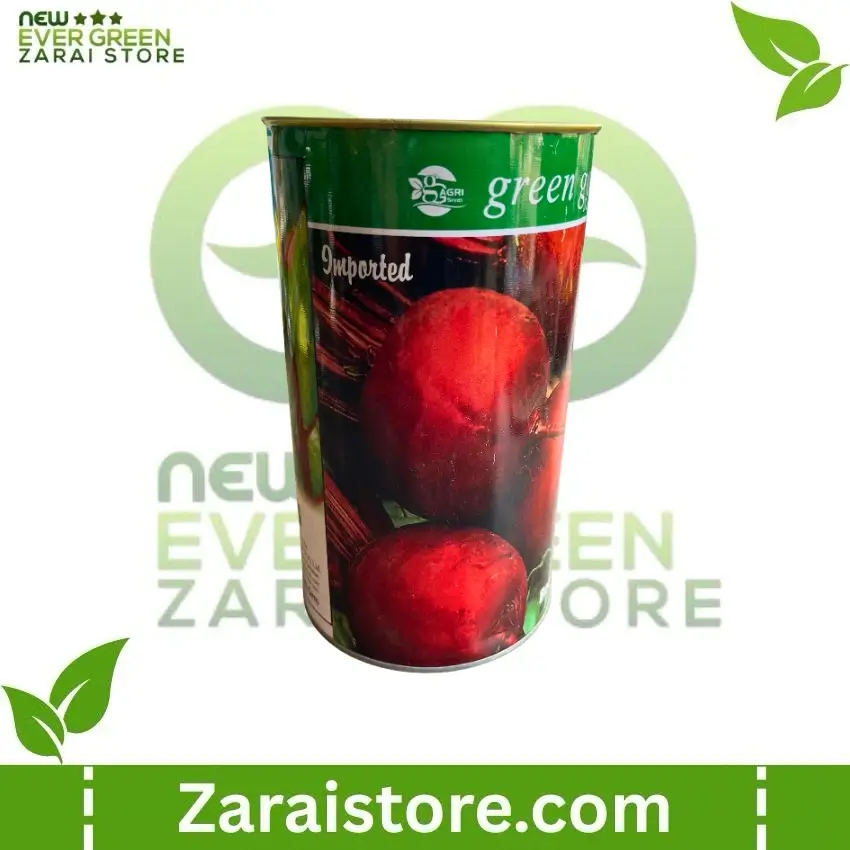
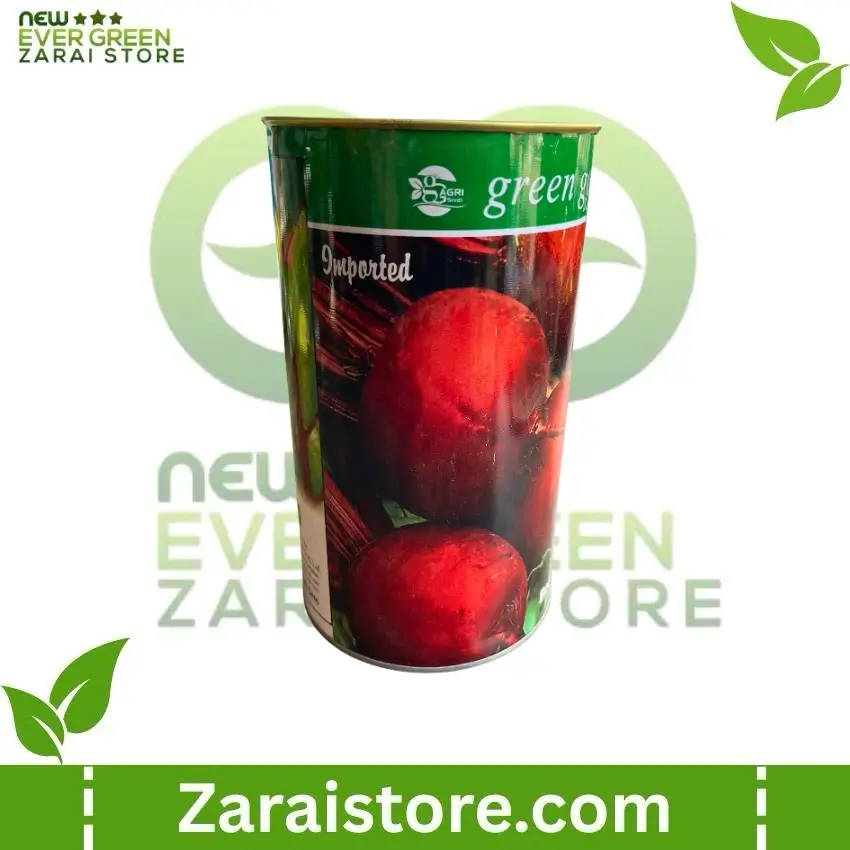
Imported Beetroot Seeds 400g Green Gold Chakander Beej Pakistan
Imported Green Gold Beetroot Seeds 400g Chakander Beej
Imported Green Gold Beetroot Seeds 400g are intended for cultivating beetroot, commonly known as chakander or chukandar. Suitable for farmers, vegetable growers and home gardeners planning beetroot production under suitable soil, seasonal and crop-management conditions. Proper sowing, irrigation, balanced nutrition and timely harvesting help support healthy crop development.
Delivery Charges in Pakistan: Free (No Charges)
Delivery Charges in Other Countries: Charges will Apply
Imported Beetroot Seeds 400g by Green Gold Agri Seeds are intended for cultivating beetroot, commonly known as chakander or chukandar. Beetroot is a root vegetable grown for its edible roots and used in fresh salads, cooking, juices and other food preparations. It can be cultivated by farmers and home gardeners when suitable soil, seasonal conditions and crop management practices are provided.
These seeds are suitable for growers planning beetroot production for household use or commercial vegetable markets. Proper land preparation, uniform sowing, balanced nutrition, suitable irrigation and timely weed control help support healthy root development. Actual crop performance depends on seed quality, variety, climate, soil conditions and farming practices.
Product Name: Imported Beetroot Seeds 400g
Company: Green Gold Agri Seeds
Variety: Imported Beetroot; specific variety to be confirmed from the original packet
Crop: Beetroot (Chakander / Chukandar)
Seed Type: Vegetable Crop Seed
Pack Size: 400g
Recommended Seed Rate: 2 tin packs per acre, as provided
Product Category: Seeds → Vegetable Seeds → Beetroot Seeds
Primary Use: Beetroot cultivation and fresh vegetable production
Suitable For: Vegetable farmers, commercial growers and home gardeners
Seed-rate note: The supplied recommendation is 2 tin packs per acre. Please confirm that each tin contains 400g and verify the official company recommendation before sowing. If each tin is 400g, two tins equal 800g per acre.
| Specification | Details |
|---|---|
| Crop | Beetroot (Chakander / Chukandar) |
| Variety | To be confirmed from the original packet |
| Company | Green Gold Agri Seeds |
| Pack Size | 400g |
| Seed Rate | 2 tin packs per acre, as provided |
| Seed Type | Vegetable crop seed |
| Main Use | Root vegetable production |
| Product Type | Agricultural seed |
| Suitable For | Farmers and home gardeners |
Beetroot is cultivated primarily for its edible, enlarged root. Suitable soil preparation and appropriate crop spacing help roots develop with a more uniform shape.
Healthy root development depends on suitable soil structure, adequate moisture, balanced nutrition and appropriate plant spacing. Hard, compacted or poorly drained soil can affect root quality.
Beetroot is used in household cooking and fresh vegetable markets. Harvesting at an appropriate stage helps maintain root quality and market appeal.
Uniform germination depends on viable seed, suitable soil moisture, proper sowing depth and good seed-to-soil contact. Follow the original packet for variety-specific recommendations.
Imported Beetroot Seeds.
Company: Green Gold Agri Seeds.
400g listed pack size.
Suitable for chakander cultivation.
Intended for fresh root vegetable production.
Suitable for commercial vegetable growing.
Can be cultivated in suitable home gardens.
Requires appropriate soil preparation and moisture management.
Variety-specific instructions should be confirmed from the original packet.
Supports on-farm beetroot production.
Provides an option for fresh vegetable cultivation.
Suitable for household gardening and commercial growing.
Can be included in seasonal vegetable production plans.
Proper crop management can support healthy root development.
Offers growers an opportunity to produce beetroot for household use or market sale.
Actual yield, root size, maturity period and market performance depend on the specific variety and growing conditions.
Commercial vegetable farmers.
Small-scale growers.
Home gardeners.
Farmers planning beetroot cultivation.
Growers supplying fresh vegetable markets.
Vegetable producers with suitable soil, irrigation and crop-management facilities.
Beetroot sowing time depends on temperature, local climate, variety and irrigation availability. The following is general guidance for planning; confirm the exact sowing window with local agricultural experts and the seed supplier.
Beetroot is generally grown during suitable cool-season conditions. In many areas, sowing is planned in autumn or during other locally suitable periods when temperatures favour root development.
Choose a suitable sowing window according to local temperatures and seasonal conditions. Avoid periods of excessive heat that may interfere with establishment or root quality.
Sowing time varies by elevation and local climate. Select the planting period according to district-specific recommendations and the variety's requirements.
Sowing schedules vary considerably according to elevation, temperature and water availability. Consult local agricultural recommendations before planting.
Good germination requires viable seed, suitable moisture, appropriate temperature and good soil contact.
Prepare a fine, level seedbed.
Sow at the depth recommended on the original seed packet.
Maintain consistent moisture during germination.
Avoid excessive watering and waterlogging.
Prevent the soil surface from becoming excessively dry or crusted.
Check the field regularly for uniform seedling emergence.
The exact germination percentage and expected emergence time should be confirmed from the original product label or company documentation.
Beetroot generally performs well in fertile, loose, well-drained soil that allows roots to expand.
Prefer friable loam or suitable sandy-loam soil.
Avoid heavily compacted soil that restricts root growth.
Ensure proper drainage.
Test soil fertility and pH where possible.
Correct nutrient deficiencies according to soil-test recommendations.
Remove stones and large clods during land preparation to help reduce irregular root development.
Proper land preparation helps create a suitable environment for root growth and uniform crop establishment.
Remove weeds and unwanted crop residues.
Plough the field as needed to loosen the soil.
Break large clods and prepare a fine seedbed.
Remove stones and other obstructions where practical.
Ensure suitable field levelling and drainage.
Incorporate well-decomposed organic matter if needed.
Apply fertilizers according to soil testing and local recommendations.
Prepare the field for uniform sowing and irrigation.
Avoid excessive compaction during field preparation, as compacted soil can restrict root expansion.
The supplied seed rate is 2 tin packs per acre. If each tin contains 400g, the total is approximately 800g per acre. Confirm the actual net weight and official recommendation from Green Gold Agri Seeds before sowing.
Sow seeds in prepared rows or using another method recommended for the variety. Maintain uniform seed distribution and suitable spacing so plants have adequate room for root development.
Use the sowing depth recommended on the original packet. Avoid planting too deeply, as this may delay or reduce seedling emergence.
Maintain adequate and consistent soil moisture during germination and early crop growth. The soil should be moist but not waterlogged.
Apply gentle irrigation where needed to maintain moisture without washing seeds away. Adjust irrigation according to soil type, temperature and field conditions.
Early crop care helps establish a uniform beetroot stand.
Inspect the field after sowing for uniform germination.
Replace or address gaps where practical and appropriate.
Control weeds before they compete heavily with young plants.
Thin plants where required according to the recommended spacing.
Maintain suitable soil moisture.
Avoid excessive irrigation and waterlogging.
Monitor plants for pest damage, disease symptoms and nutrient deficiencies.
Follow the original packet instructions and local agricultural guidance for variety-specific management.
Proper irrigation helps beetroot plants develop healthy roots and foliage. Water requirements depend on soil type, weather conditions and the stage of crop growth.
Maintain suitable soil moisture during germination and early growth.
Irrigate when the root zone begins to dry.
Avoid prolonged waterlogging.
Adjust irrigation according to seasonal temperatures and soil conditions.
Maintain reasonably consistent moisture during root development.
Check field drainage after heavy rainfall or excessive irrigation.
Irregular moisture conditions can affect root quality. Balanced irrigation supports more uniform crop development.
Balanced nutrition is important for healthy foliage and root development. Fertilizer requirements depend on soil fertility, previous cropping and the expected production system.
Use well-decomposed organic matter where appropriate.
Incorporate mature compost or manure during land preparation if needed.
Avoid excessive fresh manure.
Maintain good soil structure for root expansion.
Use soil testing to identify nutrient deficiencies where possible.
Apply fertilizers according to soil-test results and local agricultural recommendations.
Avoid excessive nitrogen, which can encourage foliage growth at the expense of root development.
Ensure suitable availability of phosphorus, potassium and other essential nutrients.
Apply fertilizers carefully and follow product-label instructions.
Seek advice from a local agricultural expert if plants show unusual growth or nutrient-deficiency symptoms.
Exact fertilizer quantities should be determined according to soil conditions and local recommendations.
Weeds compete with beetroot plants for nutrients, water, sunlight and growing space. Early weed control helps the crop establish properly.
Remove weeds before they become difficult to manage.
Use shallow cultivation between rows where practical.
Avoid damaging developing roots during hoeing.
Inspect the field after irrigation and rainfall.
Keep field boundaries and irrigation channels reasonably clear of weeds.
Use only crop-approved herbicides and follow their label directions.
Timely weed management helps reduce competition and supports healthy crop development.
Imported Beetroot Seeds from Green Gold Agri Seeds are intended for cultivating beetroot, commonly known as chakander or chukandar. The crop is grown for its edible roots and can be used for household consumption or commercial vegetable marketing.
Good production practices include:
Maintaining a uniform crop stand.
Providing suitable plant spacing.
Maintaining consistent soil moisture.
Applying balanced nutrition.
Controlling weeds at an early stage.
Monitoring plants for pests and diseases.
Harvesting when roots reach a suitable market size.
The specific variety, maturity period, expected root size and yield have not been independently verified for this product. Actual results depend on seed quality, climate, soil and crop management.
Harvest beetroot when roots reach a suitable size and quality for the intended market. Regular field inspection helps growers identify an appropriate harvest stage.
Follow the original packet's maturity guidance where available. Check root size and quality before harvesting, and avoid leaving mature roots in the field longer than necessary if this may reduce market quality.
Loosen the soil carefully before lifting roots if required.
Avoid cutting, bruising or breaking the roots.
Separate damaged, diseased or misshapen roots.
Remove excess soil gently.
Sort roots according to size and market requirements.
Keep harvested produce shaded while preparing it for transport.
Proper post-harvest handling helps maintain beetroot quality and appearance.
Remove excess soil carefully.
Sort roots according to size and quality.
Separate damaged or diseased produce.
Trim leaves according to market requirements.
Use clean containers for collection and transport.
Protect harvested roots from excessive heat and direct sunlight.
Follow local food-safety and market requirements.
Commercial beetroot production requires suitable field selection, proper sowing, regular crop monitoring and careful harvest planning.
Select a field with suitable drainage and soil conditions. Plan sowing according to local weather, water availability and market demand.
Use viable seeds and follow the recommended sowing depth, spacing and seed rate. The supplied seed rate is 2 tin packs per acre. If each tin contains 400g, this equals approximately 800g per acre; confirm the tin weight and company recommendation before sowing.
Monitor irrigation, weed growth, nutrition and crop health throughout the growing period. Address problems early to reduce avoidable crop losses.
Harvest roots at a suitable stage, sort them according to buyer requirements and handle them carefully during loading and transportation.
To help preserve unused seed quality:
Store seeds in a cool, dry place.
Protect the packet from moisture and direct sunlight.
Keep seeds away from excessive heat.
Reseal opened packaging where possible.
Check the batch number, expiry date and storage instructions on the original packet.
Keep seeds away from children, animals and food products.
Remove damaged roots before storage.
Keep harvested beetroot in a cool, suitable environment.
Avoid prolonged exposure to direct sunlight.
Use clean containers and protect produce from contamination.
Follow locally recommended storage conditions for the intended storage period.
Read the original seed packet before sowing.
Confirm the seed rate and net weight of each tin.
Store seeds safely away from children and animals.
Do not consume seeds intended for planting.
Follow label directions for fertilizers and crop-protection products.
Use suitable protective equipment when handling agricultural chemicals.
Seek local agricultural advice if crop problems occur.
ZaraiStore offers agricultural seeds and farming products for farmers and growers. Check the original packaging and product details when your order arrives.
Check stock availability, batch details and expiry information before planting.
Check your order upon delivery to ensure that the product name and pack size match your purchase.
Delivery options, charges and estimated arrival times depend on the destination and current service arrangements. Confirm the details when placing your order.
New Ever Green Seed Store can assist with product availability, order information and general agricultural product enquiries.
It is a seed product intended for cultivating beetroot, commonly known as chakander or chukandar.
The supplied company is Green Gold Agri Seeds.
The listed pack size is 400g.
The supplied rate is 2 tin packs per acre. If each tin contains 400g, the total is approximately 800g per acre. Confirm the original tin weight and official company recommendation before sowing.
Loose, fertile and well-drained soil is generally suitable because it allows roots to expand.
Maintain suitable soil moisture, particularly during establishment and root development. Avoid waterlogging and large fluctuations in soil moisture.
Harvest when roots reach the appropriate size and quality for the intended market. Confirm the variety-specific maturity period from the original packaging or supplier.
A verified yield figure is not available for this specific product. Yield depends on the variety, soil, weather, seed quality and crop management.
Beetroot can be grown in a home garden when suitable soil, spacing, moisture and seasonal conditions are provided.
You can contact New Ever Green Seed Store in Sargodha or visit zaraistore.com to check availability and ordering details.
Farmers interested in vegetable cultivation may also explore:
Other Beetroot Seeds
Carrot Seeds
Radish Seeds
Turnip Seeds
Spinach Seeds
Cabbage Seeds
Other Seasonal Vegetable Seeds
Availability may vary. Check the current ZaraiStore catalogue before ordering.
Order Imported Beetroot Seeds 400g from Green Gold Agri Seeds through ZaraiStore, subject to current availability. Visit zaraistore.com to explore agricultural seeds and farming products. Confirm the current price, stock, original packaging and seed-rate recommendation before placing your order.
Available at: New Ever Green Seed Store
Website: zaraistore.com
WhatsApp: 0307-6000498
Location: Grain Market, Shop No. 96, Sargodha, Pakistan
| Product code | SKU: 316 |
|---|---|
| Weight | 400g |
| Packing | Tin Pack |


 Imported Beetroot Seeds 400g Green Gold Chakander Beej Pakistan
Join our exclusive subscriber community and unlock special discounts. Don't miss out on the savings - subscribe today!
Experience our lightning-fast delivery service within 3 to 7 days.
Customer satisfaction is our priority. If you're not satisfied return it within 7 days.
Support team is here for you 24/7. Whether you have a question or require any support.
Your transactions are safe and secure with us. We offer trusted and encrypted payment options.
Enjoy Free & Fast Delivery All Pakistan 45 Days Free Returns